
If you need to move something expensive, like a large piece of furniture, fine art, some nice antiques, unique collectibles, or specialized equipment, it’s usually worth taking a closer look at how those items are protected. Just sticking with the standard moving coverage option might be fine for your typical, everyday household belongings, but when things are worth considerably more, the right choice for your moving coverage may not be too obvious.
What Does Moving Coverage Typically Include?
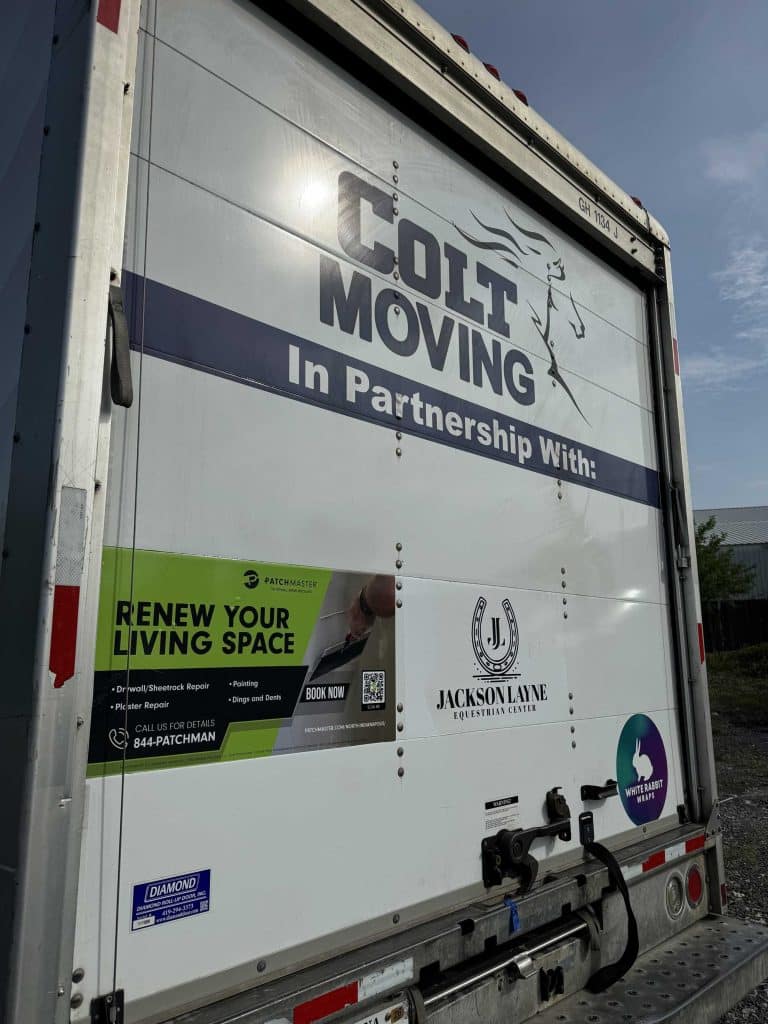 When you hire a professional moving company, there might be some form of valuation or liability coverage included in the cost of your move. But that being said, basic coverage isn’t necessarily designed to reimburse you for the full value of a damaged or lost item. You need to understand what you’re actually getting.
For example, at Colt Moving we include Indiana Mover’s Transit Coverage for every move at $0.60 per pound per item at no additional charge. We also offer optional Actual Cost Value Damage Coverage for $150 per truckload. This distinction matters when you’re moving high-value belongings, because a 100-pound item would have a coverage value of $60 under the basic coverage, no matter what the item originally cost.
When you’re comparing local moving companies, be sure to pay attention to how value is determined and what types of damage qualify. The coverage included with a moving service usually isn’t designed to protect every item at its full replacement or market value.
When a Homeowners Insurance Policy May Help
As a general rule, homeowners insurance works to cover your personal belongings against certain types of loss or damage—but that doesn’t automatically mean it will protect your belongings while they’re being moved. Your coverage depends on your specific policy.
Some policies might extend to your belongings while they’re temporarily away from home or in transit. Others come with limitations and exclusions, or just lower coverage limits for certain types of property.
There may also be special limits for items such as jewelry and watches, artwork, antiques, firearms, and collectibles. That’s why even if your policy covers personal property, the amount available for a particular category may end up being much lower than the item’s actual value.
Before moving, it’s always a good idea to contact your insurance agent and ask whether your policy would cover your belongings during a professional move. The right info can help you plan your move and additional coverage accordingly.
What Is a Personal Property Rider?
A rider—sometimes called an endorsement or scheduled personal property coverage—works to add specific items to your insurance policy. So if you own something particularly valuable, opting for a personal property rider might make more sense than relying on your standard homeowners policy alone.
Depending on the policy, scheduled coverage can give you broader protection or higher limits for items like family heirlooms, valuable paintings, or specific items in a collection that would be difficult to replace. But as always, the details matter. Asking your insurer whether the rider would apply during your move can give you a better idea about how to coordinate the big day.
Figure Out Which Type of Coverage You Need
Odds are, you have more than one option available. But don’t assume the coverage will stack or that one policy will step in to make up the difference when another one falls short. Each type of insurance serves its own purpose.
Moving coverage helps keep the movers responsible, homeowners insurance can reimburse you through various loss scenarios, and a personal property rider can provide additional, item-specific protection. But every policy has its own rules, so you’ll want to ask your insurance agent and moving company how their respective coverage applies.
A recent appraisal, purchase receipt, or other documentation can help you establish what your valuable items are worth and determine what type of coverage they may require. As you plan, it’s also worth asking whether your moving company has any restrictions on transporting certain valuables. You may be better off moving your jewelry, cash, important documents, and other valuable, smaller items yourself instead of having them packed onto the moving truck.
The Right Moving Company Can Make All the Difference
A little preparation can prevent a lot of uncertainty if something goes wrong. And working with an experienced team of movers can help keep the entire day running smoothly. Before they arrive, though, review your moving coverage, check your homeowners policy, and speak with your insurance agent about any items that need additional protection.
The goal isn’t to pay for coverage you don’t need. It’s simply to make sure you understand your options before your belongings are on the road. Please don’t ever hesitate to call us at (317) 476-3762 to discuss your upcoming move. We’d be happy to answer your questions and develop the best strategy to make your moving day a success!